
Let's be honest, most of us don't think about our air conditioner until it's sweltering outside and we desperately need it. But running a neglected air con is like trying to drive your car with a completely clogged air filter—it has to work much harder, costs you more, and is on a fast track to breaking down.
That’s why regular air conditioner cleaning is so much more than just a chore. It’s a crucial investment in your home’s health, your budget, and your peace of mind.
The Hidden Costs of a Dirty Air Conditioner
A dirty air conditioner isn't just an eyesore; it creates real problems that go well beyond a stuffy room. For anyone living in Melbourne, it's a triple threat that hits your health, your wallet, and if you're a renter, your bond. Once you understand these hidden costs, you stop seeing cleaning as an expense and start seeing it for what it is: an essential service.
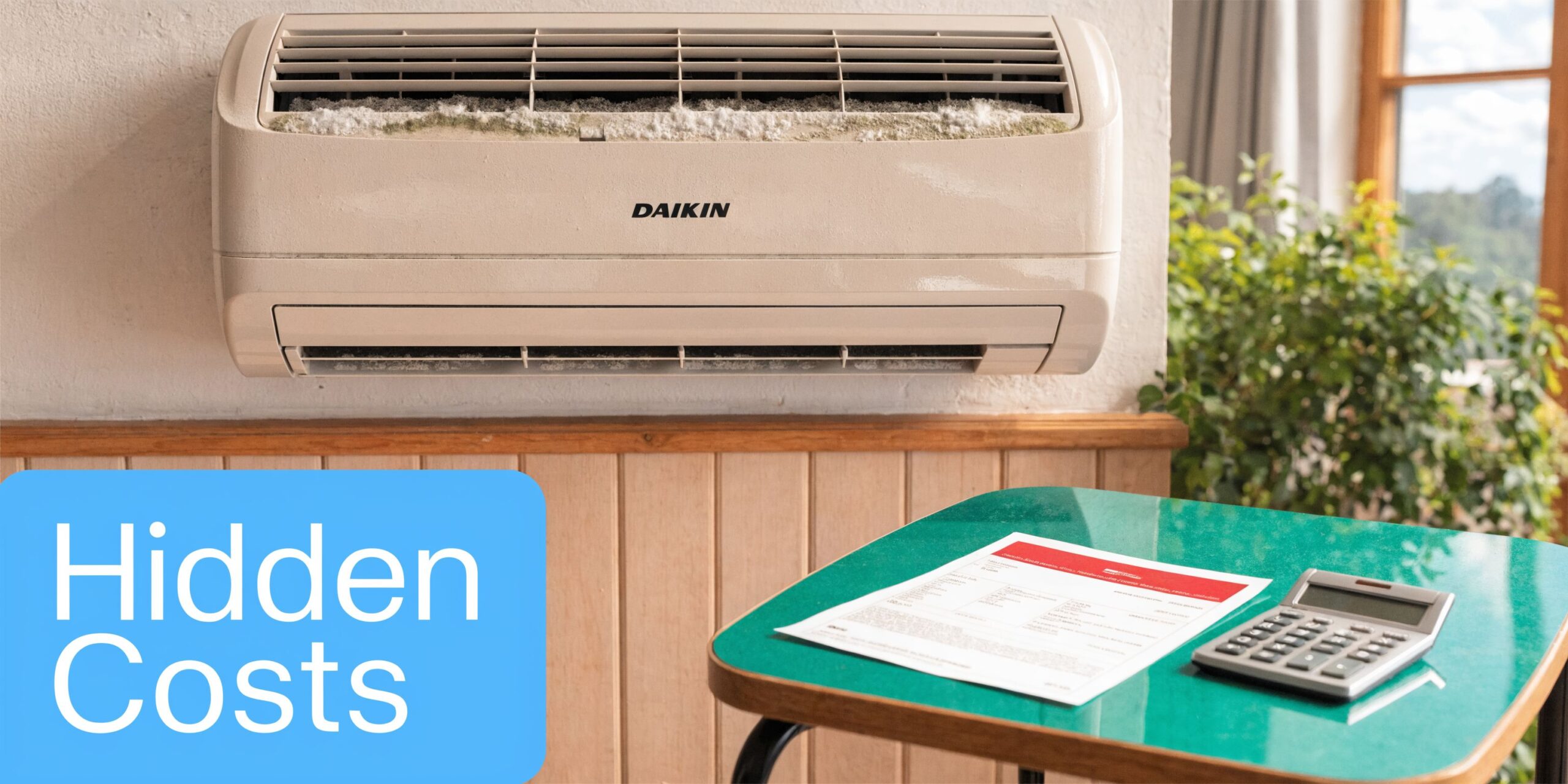
The most immediate sting is financial. An unserviced air conditioner is an energy glutton. Clogged with dust and grime, it has to fight against its own internal blockages just to push cool air out.
This inefficiency shows up directly on your power bill. An untreated unit can guzzle up to 20% more energy, and even something as simple as dusty filters can spike consumption by 5% to 15%. Over a long, hot Melbourne summer, that inefficiency can easily add hundreds of dollars to your energy costs, as highlighted by these air conditioner energy consumption findings.
To put it simply, here’s a quick look at what’s really going on inside your unit.
Dirty vs Clean Air Conditioner at a Glance
| Aspect | Clean Air Conditioner | Dirty Air Conditioner |
|---|---|---|
| Airflow & Power | Strong, consistent airflow with optimal energy usage. | Weak, struggling airflow and significantly higher power bills. |
| Air Quality | Circulates fresh, filtered air free from common pollutants. | Spreads mould, bacteria, dust mites, and allergens into your home. |
| Smell | Neutral or fresh-smelling air. | A distinct musty, damp, or "dirty sock" odour. |
| Lifespan | Components run smoothly, leading to a longer operational life. | Strain on parts causes premature wear, leading to costly repairs. |
| Rental Bond | Passes final inspections, protecting your bond. | A major red flag for property managers, risking bond deductions. |
As you can see, the differences are stark. A clean unit works for you, while a dirty one works against you in every way.
A Threat to Your Health and Home
Beyond the budget, a grimy AC unit quietly becomes a breeding ground for mould, bacteria, and allergens. As air is pulled through the contaminated coils and filters, these microscopic nasties are sprayed directly into your living space.
This can seriously affect your family's health, particularly for anyone with asthma, allergies, or respiratory sensitivities. The consequences are real:
- Poor Indoor Air Quality: Constant exposure to airborne mould and bacteria can trigger everything from headaches and sneezing to more serious respiratory issues.
- Mould Spores: Melbourne's humidity is the perfect catalyst for mould growth inside dark, damp AC units, which then gets circulated throughout your home.
- Unpleasant Odours: That funky, musty smell you can't quite place? It’s a dead giveaway your system is pumping contaminated air around the room.
A clean air conditioner isn't a luxury; it's fundamental to a healthy indoor environment. It ensures the air your family breathes is fresh, clean, and free from harmful pollutants.
Risking Your Rental Bond
If you're a tenant, a dirty air conditioner is a major liability when it's time to move out. Property managers and landlords are increasingly checking AC units during the final bond inspection. A system that looks filthy, smells bad, or performs poorly can easily lead to disputes and deductions from your bond.
Think of professional air conditioner cleaning as your insurance policy. It guarantees you meet your end-of-lease obligations, helping you secure your full bond refund without any stressful, last-minute surprises.
Why AC Cleaning Is Crucial for Your Rental Bond
When you’re preparing to move out, it’s easy to focus on the obvious things like carpets, ovens, and walls. But in Melbourne’s fast-paced rental market, there’s a new player in the end-of-lease game: the air conditioner. It’s no longer just an appliance; it's a major checkpoint in your final inspection, and its condition can directly impact your bond return.
A quick wipe of the outside casing simply won't cut it anymore. Property managers are now trained to spot the signs of a neglected unit, and they know a dirty air con isn't just a cosmetic issue. It points to potential health hazards and hints at bigger maintenance problems that the owner will have to deal with later.
What Property Managers Look For
During that final walkthrough, a property manager’s eye is surprisingly sharp when it comes to the AC. They aren't just making sure it powers on; they’re assessing its overall health to see if it’s been properly maintained.
Here’s what’s on their checklist:
- Visible Cleanliness: They’ll inspect the vents, filters, and any accessible internal components for dust, built-up grime, or the dreaded black spots that scream mould.
- Odour-Free Operation: A musty, damp smell the moment the AC kicks in is an instant red flag. It’s a dead giveaway that mould and bacteria are festering inside.
- Proper Airflow: They'll often hold a hand up to the vent. If the airflow feels weak or uneven, it immediately suggests clogged filters or a dirty, inefficient fan barrel.
Think of a professional air conditioner clean as an insurance policy for your bond. It shows the property manager you've been a diligent tenant, leaving them with no reason to make deductions or start a dispute.
A Growing Industry and Expectation
This intense focus on AC hygiene isn’t just a local quirk. The global air conditioner cleaning service market was valued at $3.2 billion in 2023 and is on track to hit a massive $5.9 billion by 2032. This isn’t just numbers; it’s proof of a worldwide shift in understanding how vital AC maintenance is, particularly in climates like Melbourne's where humidity can be a breeding ground for mould. You can read more about what’s driving this trend in this detailed industry report.
This global awareness has cemented expectations right here at home. Landlords and agents now see a professionally cleaned AC unit as a standard, non-negotiable part of a proper exit clean. If you're navigating this process, our complete guide to end-of-lease cleaning in Melbourne has even more advice.
Failing the AC inspection can be a frustrating and expensive mistake. The agent might bring in their own preferred (and often pricey) contractor and bill the entire cost straight from your bond. By organising a professional air conditioner cleaning yourself, you stay in control of the cost, ensure it’s done right, and protect your hard-earned deposit.
Warning Signs Your Air Conditioner Needs Help
Your air conditioner is usually pretty good at telling you when something’s wrong. You just have to know what to look, listen, and smell for. Long before a total system failure, you’ll notice subtle (and not-so-subtle) clues that it’s desperate for a professional air conditioner cleaning.
Catching these signs early is key. Ignoring them is a surefire way to turn a simple clean into a costly repair job down the track.
What You Can See and Smell
Often, your eyes and nose are the first to notice that your AC is harbouring some nasty surprises. These are tell-tale signs of a significant build-up of dust, mould, and bacteria that needs to be dealt with.
Keep an eye (and a nose) out for these dead giveaways:
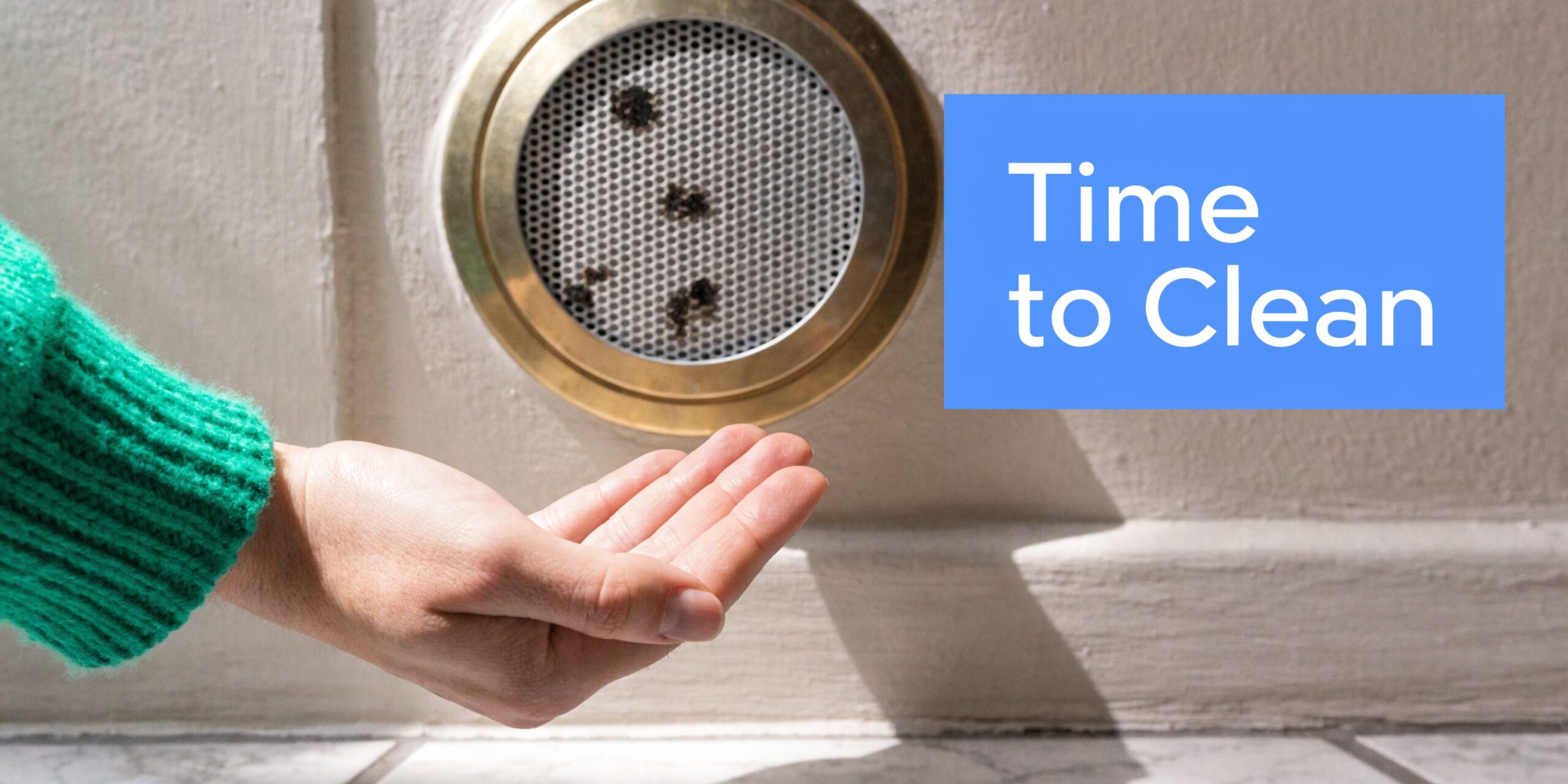
- Visible Black Specks: If you’re seeing little black or dark greenish spots on the vents, that’s mould. It’s a definite red flag that your system is blowing spores directly into your living space.
- Musty "Dirty Sock" Odour: It’s a classic for a reason. That unmistakable damp, musty smell is caused by bacteria and mould thriving on the wet, dark evaporator coils. It's a direct indicator of poor air quality.
- Dusty and Clogged Vents: See a blanket of dust coating the vents? That’s a sign the internal filters are completely full, and the unit is just pushing that same dirty air around your home.
How It Sounds and Performs
It’s not just about what you can see, either. A change in your unit’s performance or the sounds it makes is another cry for help. A healthy air con should be a quiet, efficient workhorse, not something that struggles and groans.
When your AC starts making strange noises or struggles to cool the room, it's not just getting old—it's actively telling you its internal components are clogged and straining under pressure.
Pay attention to these performance drops:
- Weak Airflow: Does the air coming from the vent feel weak or barely there? This almost always means the fan barrel or filters are choked with dirt, physically blocking the air from getting through.
- Unit Struggles to Cool: If the air con runs non-stop but the room never really cools down, dirty coils are the likely culprit. They become so insulated with grime they can't do their job of transferring heat.
- Strange Noises: Any rattling, buzzing, or grinding sounds are a major warning. These noises often mean parts are loose or being obstructed by built-up debris, which can lead to serious mechanical damage if left alone.
Not all air conditioner cleaning is the same. It’s a bit like the difference between a quick car wash and a full engine service – one is a surface-level tidy-up, while the other gets right into the heart of the machine.
Knowing the different types of AC cleaning helps you choose the right service for your home. You'll avoid paying for something you don't need or, even worse, getting a light wipe-down when your system is crying out for a deep, sanitising clean.
Let's break down the main types of air conditioner cleaning, from the simple jobs you can do yourself to the comprehensive services best left to the experts.
Basic Filter Maintenance
Think of your AC's filters as the first line of defence. They’re there to catch all the airborne nasties like dust, pet dander, and pollen before they get sucked into the unit's internal machinery. This is a straightforward but crucial task that every homeowner and renter should be doing regularly.
- What it is: Simply removing and cleaning the filters, which are usually easy to access behind the front panel of the indoor unit.
- How to do it: Most can be gently washed with water and a mild soap or given a thorough once-over with a vacuum cleaner.
- How often: Give them a look every month and a proper clean at least every 1-3 months. If you have pets or smokers in the house, you’ll want to do this more frequently.
Keeping on top of this simple task helps maintain strong airflow and stops the system from working overtime, which directly translates to savings on your power bill.
Split System Deep Cleaning
This is where you need to call in the professionals. A deep clean for a split system goes well beyond what’s possible with a DIY approach. It targets the hidden parts of the indoor unit where mould, bacteria, and grime love to hide, causing foul smells and posing health risks.
A technician will carefully take apart the unit’s covers to get to the core components. Using specialised gear and non-corrosive cleaning agents, they’ll sanitise the evaporator coils, flush out the clogged fan barrel, and clear the drain pan and line. This is the only way to truly get rid of that "damp sock" odour and restore healthy, clean air to your home.
A professional split system clean isn't just about making things look tidy; it's a health and safety measure to eliminate harmful contaminants from the air you breathe.
Ducted System Servicing
Ducted air conditioning systems are a whole different beast. They have a central unit, often hidden in the roof space or sitting outside, connected to a complex network of ducts that distribute air to every room. Servicing these systems is a job strictly for qualified technicians.
The process involves cleaning the central unit's coils and fans, but just as importantly, inspecting and cleaning the ductwork itself, along with the registers and return air filters. It’s alarming what can build up in ducts over time – layers of dust, debris, and sometimes even pests, all of which gets blown straight into your living spaces. A professional service makes sure the entire network is clean and running as it should.
Technical Coil and Drain Cleaning
This is one of the most technical parts of a professional air conditioner clean. The evaporator coils (inside the indoor unit) and the condenser coils (in the outdoor unit) are absolutely essential for the cooling process—it's where the heat exchange happens. When these coils get caked in dirt and grime, the system’s efficiency takes a nosedive.
Technicians use high-pressure water (calibrated to a safe level) and specific coil-cleaning chemicals to break down and wash away years of built-up gunk. They also focus on making sure the condensate drain line is completely clear. A blocked drain can cause water to back up and leak inside your walls, leading to very expensive water damage and mould problems.
A Step-by-Step Look at a Professional Clean
Ever wondered what a professional air conditioner cleaning actually involves? It’s a lot more than just wiping down the outside. Think of it as a comprehensive health check for your unit, designed to get it running like new, purify the air you breathe, and make sure it’s operating safely. It’s where you really see the value an expert brings to the table.
The whole process starts with a bit of prep and a focus on safety. First, a technician will run a quick test to see how the unit is performing before they touch anything. Then, they’ll cut the power at the circuit breaker and lay down drop sheets to protect your floors and furniture. No mess, no fuss.
Getting to the Grime: Deconstruction and Deep Cleaning
With the area prepped and safe, the indoor unit is carefully taken apart. The technician removes the outer covers and filters to get right into the internal workings—that’s where the real filth builds up. This is where the deep clean really begins, reaching all the spots a DIY job simply can't.
- Filter Sanitisation: Your filters are the first line of defence against dust and allergens. They're taken out, cleaned thoroughly, and then treated with an antimicrobial spray to eliminate any hidden mould spores and bacteria.
- Evaporator Coil Treatment: The evaporator coils are what actually cool the air, but they’re also a magnet for grime. A technician uses a special, non-corrosive foaming cleaner that gets deep between the fragile coil fins, dissolving all the caked-on gunk and biofilm.
This targeted coil treatment is non-negotiable for a true clean. It’s not just about removing dirt; it’s about sanitising the very part that cools your air, ensuring what comes out is genuinely fresh and healthy.
The Final Flush and Reassembly
Next up are the fan barrel and drain line. The technician fits a specially designed catch bag around the unit and uses a low-pressure water spray to flush the cleaning foam, dirt, and mould from the coils and fan. This clever setup contains all the dirty water, so nothing drips onto your floors.
This infographic breaks down the different levels of AC maintenance, from a simple filter clean-up to the kind of in-depth technical service we're talking about here.
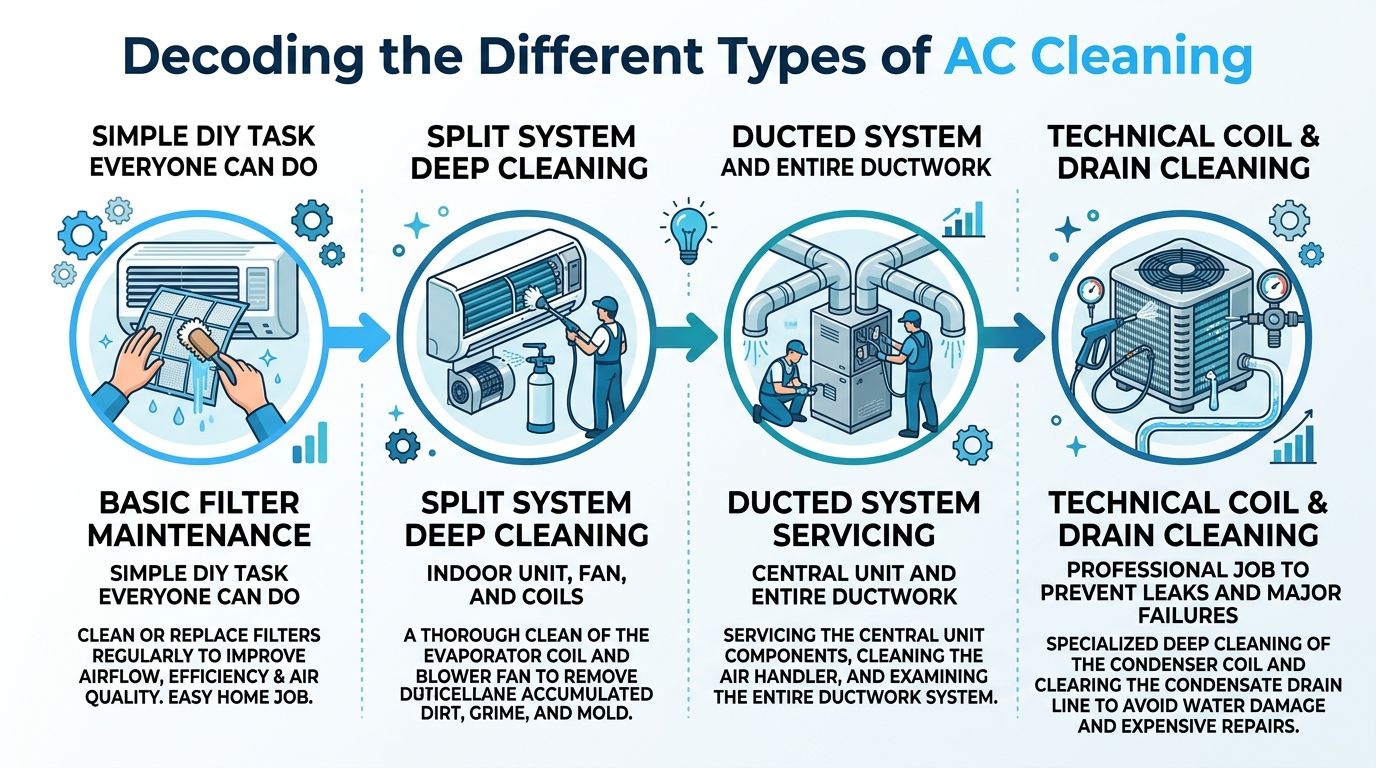
As you can see, a professional deep clean tackles the core components like coils and drains that basic upkeep just can't handle.
To finish, the drain line is flushed out to clear any blockages that might cause leaks down the road. With everything clean, the technician dries all the parts, puts the unit back together, wipes down the casing, and does one last operational test to make sure it’s running quietly and efficiently. This whole process is a perfect example of the meticulous work only a trained professional can deliver. You can find out more about our company and values and the team behind our detailed services.
Your Air Conditioner Cleaning Questions Answered
It's completely normal to have a few questions before booking a service. We get asked about the ins and outs of air conditioner cleaning all the time by Melbourne residents, so we've put together answers to the most common queries. Let's clear up any final doubts you might have.
How Often Should I Clean My Air Conditioner?
This is a great question, and the honest answer is: it depends. For most homes in Melbourne, a professional deep clean once a year is the sweet spot. This yearly service keeps your unit running efficiently, ensures your air quality stays healthy, and stops small issues from becoming big, expensive problems.
However, you might need to clean it more often—say, every six months—if your home has extra airborne particles. You should consider a more frequent schedule if:
- You have pets: Pet fur and dander are notorious for clogging up filters and coils much faster than simple dust.
- Someone smokes indoors: That sticky residue from smoke clings to every internal part, acting like a magnet for grime.
- You live with allergy or asthma sufferers: A pristine system circulates far fewer irritants like mould spores and dust mites, which can make a world of difference for respiratory health.
For your own part, getting into the habit of checking and cleaning the filters yourself every 1-3 months is a fantastic way to keep things running smoothly between professional visits.
How Much Does Professional AC Cleaning Cost in Melbourne?
Naturally, cost is a major consideration. For a standard split system air conditioner, you can generally expect a professional deep clean to fall somewhere between $90 and $200 per unit. The price reflects the detailed work involved—carefully dismantling components, applying specialised sanitisers, and reassembling everything correctly.
Ducted systems are a different beast. Because they're larger and more complex, the cost can run into several hundred dollars. This depends on the size of your home, the number of ducts, and how easy it is to access the main unit. Always get a clear, itemised quote upfront so there are no surprises.
The real cost isn't the price of a professional clean. It's the cost of a premature breakdown from a neglected unit or the health issues that stem from breathing in contaminated air. Think of it as a small investment to prevent much bigger expenses down the track.
Are DIY Cleaning Cans from the Store Effective?
Those aerosol cans you find at the hardware store can be tempting, but honestly, they don't come close to a proper clean. At best, they offer a superficial spritz on the very front surface of the coils.
The real problem is that they simply don't have the pressure or the volume to get deep into the coil fins or reach the fan barrel and drain pan. That's where the worst of the mould and bacteria hide. Using them incorrectly can even push gunk further into the unit or damage sensitive electronics. True air conditioner cleaning requires professional-grade equipment to completely flush out all the contaminants. You can explore more topics like this on our blog.
Will Cleaning Get Rid of the Musty Smell?
Yes, absolutely! That musty, "dirty sock" odour is a dead giveaway that you have mould, mildew, and bacteria thriving on the damp, dark internal components of your AC. A professional deep clean is designed specifically to eliminate this.
Our technicians use powerful, purpose-built antimicrobial solutions that kill these microorganisms right at the source. It’s not about masking the smell with a fragrance; it’s about removing the biological growth that’s causing it in the first place. You’re left with air that is genuinely fresh, clean, and healthy to breathe.
Ready to breathe easy and get your air conditioner running like new again? The team at End Of Lease Cleaning Melbourne delivers expert, thorough air conditioner cleaning services right across Melbourne. Get a transparent quote and book your service online today!
