
You pull the sheets off, glance down, and there it is. A yellow patch, a fresh accident, an old mystery mark you somehow missed for months. If you’re renting in Melbourne, that moment comes with two worries at once. Can this be cleaned, and will it cost you part of the bond?
Most mattress stains can be improved at home if you move quickly and use the right method for the stain. That’s the part most general guides miss. A urine stain doesn’t behave like blood. A sweat mark isn’t handled the same way as a food spill. And if the mattress belongs to an NDIS participant, the “just spray whatever you’ve got under the sink” approach can create a bigger problem than the stain itself.
Your Guide to a Spotless Mattress
A mattress stain feels worse than the same mark on almost anything else. You can’t toss it in the wash. You can’t hide it behind furniture. And if you’re near vacate day, every cleaning decision feels high stakes.
That’s why the best approach is calm, specific, and stain-by-stain. When people ask me how to get stains out of a mattress, I don’t start with miracle sprays or internet hacks. I start with three questions. What caused it? How old is it? How wet is the mattress already?
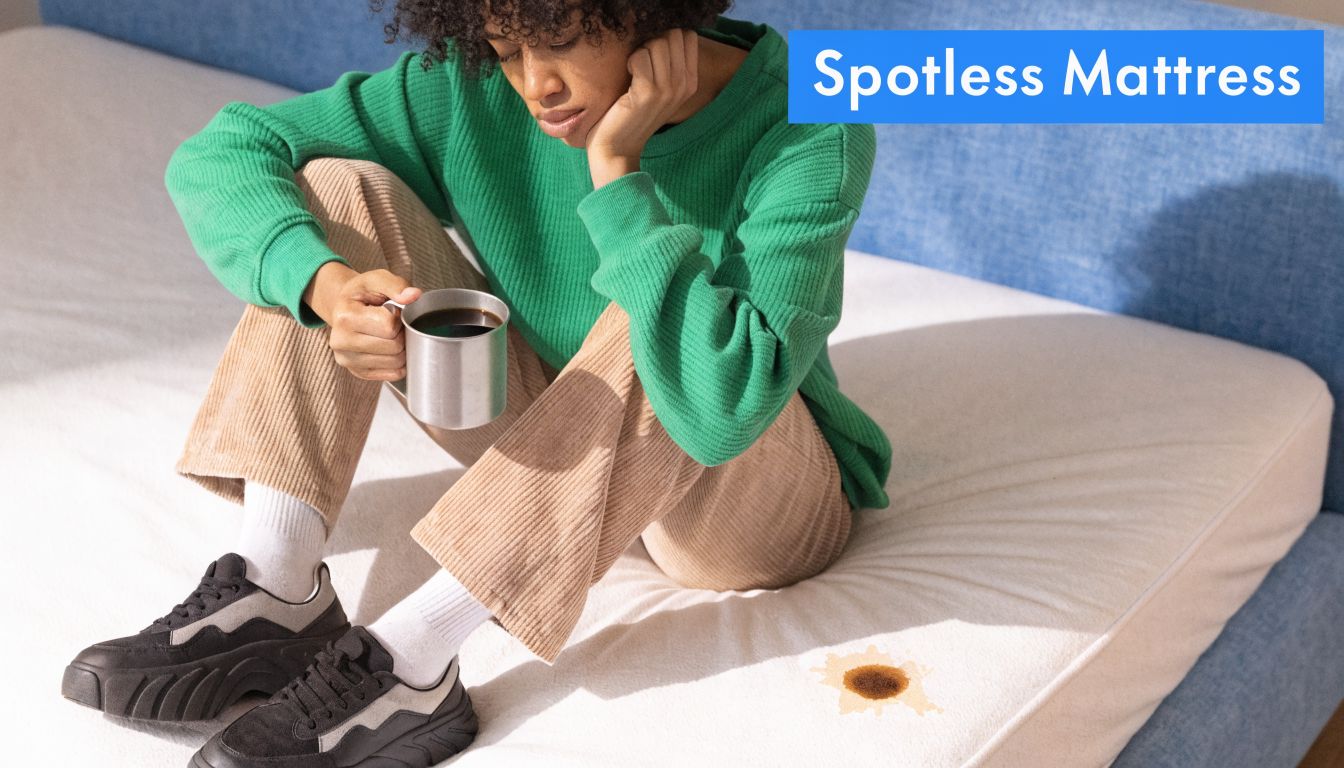
A fresh organic stain usually responds well if you blot fast and avoid soaking the foam. An old, set stain often needs a more deliberate treatment and patience with drying. A mattress that’s already damp is where people get into trouble, especially in Melbourne homes where airflow isn’t always great.
The upside is that you don’t need to guess your way through it. There are reliable methods that work well for urine, sweat, and blood. There are also clear warning signs that a DIY clean is likely to leave a watermark, odour, or mould issue behind.
Some stains are cleaning problems. Others are moisture-management problems disguised as stains.
If you want more practical home cleaning advice beyond mattresses, the End Of Lease Cleaning Melbourne blog is a useful starting point. For now, focus on the mattress in front of you. The right first move matters more than scrubbing harder later.
The Golden Rules of Mattress Stain Removal
Most failed mattress cleaning jobs go wrong before the cleaner even touches the stain. People rub. They over-wet. They use the wrong temperature. Then the stain spreads, sinks deeper, or dries with a bigger ring around it.
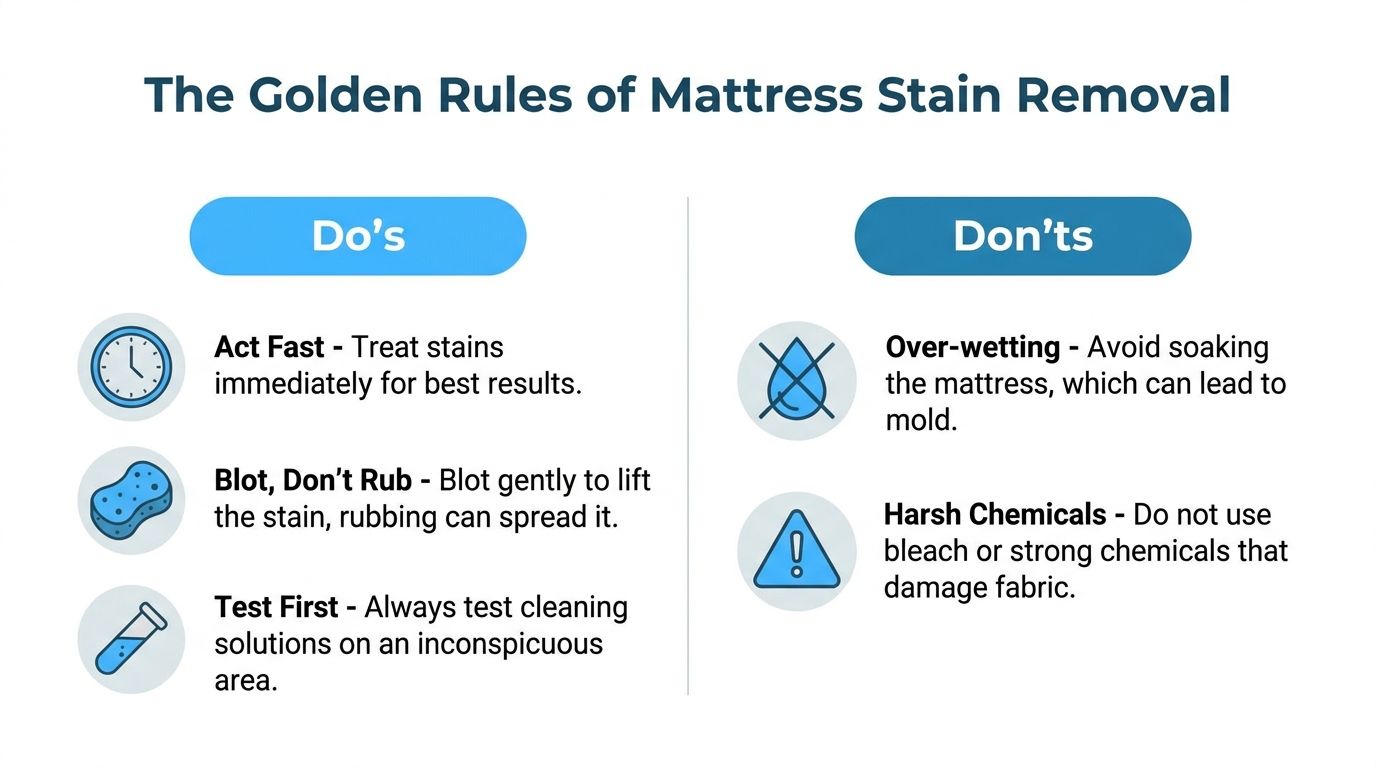
Start with control, not force
A mattress isn’t a towel or a tea towel. It has layers. Fabric on top, padding beneath, then foam or springs below that. If you attack the top aggressively, you often push the contamination further into the fill.
Practical rule: Blot with firm pressure. Don’t rub.
Use white cloths, paper towels, or a dry microfibre cloth so you can see transfer clearly. Press down, lift, rotate to a clean section, and repeat. That keeps the stain moving out instead of sideways.
Temperature matters more than people think
Heat can help in some professional extraction stages, but it’s not the first move for every stain. Organic stains are especially unforgiving when the wrong temperature is used too early.
Here’s the safest mindset:
- Cold first for protein-based stains: Blood and similar protein stains can set when exposed to heat.
- Warmth only when the method calls for it: Don’t improvise with kettles, steam mops, or boiling water.
- Room-temperature rinsing is safer than guessing: If you’re unsure what caused the stain, stay gentle.
Less moisture gives better results
The biggest DIY mistake isn’t weak product. It’s using far too much liquid. A mattress can look only slightly damp on top while staying wet inside for much longer.
That trapped moisture is what creates stale odours, mildew smells, and in severe cases, mould. In Melbourne, I’d always rather see a stain treated twice with restraint than flooded once with enthusiasm.
If the fabric feels soaked rather than damp, you’ve already used too much.
Test before committing
A mattress cover can react badly to peroxide, stain removers, or even dish soap mixes. Before applying anything broadly:
- Choose a hidden area near an edge or underside.
- Apply a small amount of the cleaning solution.
- Wait and inspect for fading, texture change, or colour loss.
Keep these habits in every clean
| Do | Avoid |
|---|---|
| Blot quickly | Scrubbing in circles |
| Use white cloths | Dark cloths that can transfer dye |
| Keep the area damp, not saturated | Flooding the foam |
| Dry thoroughly before remaking the bed | Covering a damp mattress |
Get these basics right and every specific stain method works better.
How to Remove Urine and Sweat Stains
Urine and sweat are the stains I see most often on mattresses, and they’re rarely just visual. They leave proteins, salts, and odour behind. That’s why surface sprays often disappoint. They freshen the cover for a while but don’t deal properly with what’s in the upper layers.
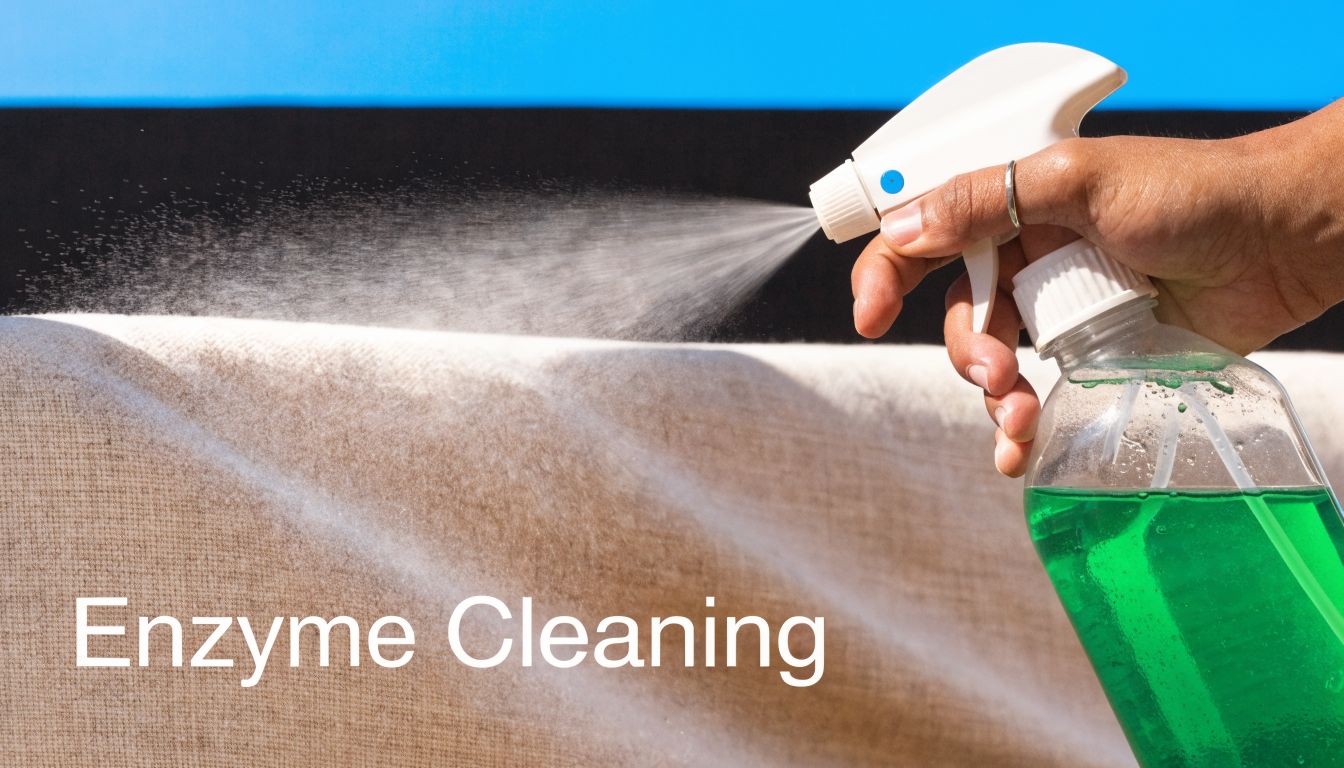
For these stains, enzyme cleaner plus controlled extraction is the method that gets the best result. According to this mattress stain removal reference from Septic Science, Australian professionals report 85 to 95% stain removal success on fresh urine stains with hot water extraction combined with enzyme-based cleaners, compared with 40 to 50% for DIY vinegar methods. The same source notes that using hot water initially can permanently set protein stains in 60% of cases.
Why enzymes work better than vinegar
Vinegar has its place in household cleaning, but it’s often over-prescribed for mattresses. Urine and sweat are organic stains. Enzyme cleaners are built for that job because they target the material causing the stain and smell.
Look for an enzyme product designed for upholstery or mattresses. Products that use protease and amylase are commonly used for urine-related contamination. For an NDIS-sensitive home, choose a fragrance-free option rather than a strongly perfumed one.
The step-by-step method
Use this approach for fresh urine stains, older urine marks, and many sweat stains.
Blot immediately
Use a dry microfibre cloth or paper towels. Press firmly. Don’t rub. The goal is to pull out as much moisture as possible before adding anything else.Apply enzyme cleaner generously
Wet the stained area enough to keep it active, but don’t drench the mattress. Cover it with a damp cloth and let it sit. The professional method allows a long dwell time so the enzymes can break down the organic material properly.Reapply if it starts drying too soon
Enzyme cleaners need contact time. If the area dries too fast, the treatment stalls.Lift residue out, don’t just mask it
If you have access to an upholstery extraction machine, use it carefully. Keep pressure low and avoid over-saturating the foam. If you don’t have extraction equipment, blot repeatedly with clean damp cloths and then dry cloths. It won’t match a professional extraction result, but it’s safer than flooding the mattress.
A quick demonstration can help if you’re more visual:
Deodorising without making a mess
Once the stain has been treated and most moisture removed, add baking soda over the area. Leave it in place for several hours, then vacuum it thoroughly. This is the stage that helps pull lingering odour from the surface.
A simple rhythm works well:
- Treat the stain first
- Extract or blot out residue
- Use baking soda after the wet work
- Dry with airflow before covering the mattress again
Drying is part of the clean
Many DIY stain removal efforts often go wrong. The stain looks lighter, so people remake the bed too early. The trapped moisture then creates a sour smell that feels like the stain “came back”.
Use fans, open windows if weather allows, and give the mattress time. Keep direct harsh sun off delicate covers if you’re worried about fading.
A mattress isn’t clean just because the mark faded. It’s clean when the fabric, fill, and smell have all been dealt with.
For sweat stains that are mostly old yellowing, enzymes still help more than random all-purpose sprays because they’re addressing the organic residue, not just bleaching the surface.
The Best Method for Removing Blood Stains
Blood needs a separate mindset. People often assume all mattress stains can be treated the same way, but blood is one of the quickest to become permanent if you use heat or scrub too hard.
The strongest rule is simple. Keep it cold.
According to this blood stain guidance, Australian end-of-lease cleaning experts recommend a cold enzyme-hydrogen peroxide protocol that achieves 80 to 90% removal on fresh stains. The same source says hot water reduces success by 65%, scrubbing can drive the stain twice as deep and drop success to 35%, and waiting more than 24 hours halves efficacy to 45%.
Fresh blood needs speed and a light hand
Strip all bedding off first. That stops transfer and gives you room to work.
Then follow this order:
- Blot with cold water only first: Use a white cloth dampened with cold water and press gently until less blood transfers.
- Change cloth sections often: Reusing a loaded patch just puts material back onto the cover.
- Never scrub: Blood responds badly to force.
The peroxide mix that cleaners use
For fresh blood on a light-coloured mattress cover, the common working mix is:
- 1 part 3% hydrogen peroxide
- 1 tablespoon baking soda
- 1 drop of dish soap
Put it in a spray bottle or mix a small amount in a bowl. Apply lightly and let it fizz for a short dwell period. The fizzing action helps lift the blood from the fibres.
Then blot with a dry cloth. Repeat if needed, but stay controlled. You want gradual lift, not a soaked patch.
Blood stains reward patience. Short applications repeated carefully beat one heavy soaking every time.
Older blood needs pre-treatment
If the stain has already dried and set, peroxide alone often isn’t enough. Start with an enzyme cleaner intended for organic stains, then move to the peroxide mix after that pre-treatment has had time to work.
A pH-neutral enzyme product is the safer choice for delicate mattress fabrics. It gives you a better chance of loosening the bind without rough handling.
One trade-off to watch
Hydrogen peroxide can lighten some coloured or patterned covers. If the mattress has any dye, piping, quilting detail, or non-white fabric, always test first in a hidden area. There’s no point removing a blood mark only to create a bleached patch beside it.
If the stain is large, old, or on a premium mattress with a delicate cover, that’s usually where DIY becomes risky. Blood can sit deeper than it first appears, and a patchy clean is very common when people treat only the visible top layer.
Safe Mattress Cleaning for NDIS Participants
A lot of online cleaning advice is written as if every household has the same needs. They don’t. For NDIS participants, carers, and support coordinators, mattress cleaning has to balance stain removal with respiratory safety, skin sensitivity, and compliance expectations.
That’s where many standard guides fall short. They push peroxide-heavy recipes, fragranced sprays, and strong multipurpose chemicals without asking who will be sleeping on that mattress afterward.
According to this NDIS-related mattress cleaning reference, NDIS Practice Standards require non-toxic, fragrance-free cleaning solutions to avoid respiratory triggers for 120,000+ Victorian NDIS users with allergies. The same source states that 42% of Melbourne NDIS households report mattress contamination, while most online guides recommend products that don’t meet those standards. It also notes that professional services using hospital-grade sanitisers can reduce re-stain rates by 90% while supporting compliance.
What safer cleaning looks like
The safest method usually starts with product selection, not technique.
Choose products that are:
- Fragrance-free: Added scent is a common irritant.
- Non-toxic: Skip harsh general-purpose sprays.
- Suitable for soft furnishings: Upholstery-safe products are less likely to leave residues.
- pH-neutral where possible: Gentler on both fabric and skin-sensitive environments.
Enzyme cleaners can still be a good option here, provided the formula fits those requirements. The goal is to break down organic contamination without filling the room with fumes or leaving a perfumed residue on the sleeping surface.
Why DIY can become unsafe
The hidden risk isn’t only chemical exposure. It’s over-wetting.
A carer might do everything with good intentions, but if the mattress stays damp too long, the home ends up with a second problem. Moisture held inside foam can contribute to stale odours and poor indoor air quality. In households managing asthma, disability supports, or complex health needs, that’s not a small issue.
This is also why “natural” doesn’t automatically mean “safe”. Essential oils, strong vinegar mixes, and scented boosters are often marketed as gentler options, but they can still be unsuitable for sensitive users.
When specialist help makes sense
If you’re cleaning for an NDIS participant, the standard should be higher than “the stain looks better now”. It should be safe to sleep on, low residue, and properly dried.
For households that need a vetted option, the contact page for End Of Lease Cleaning Melbourne is the practical place to ask about fragrance-free and NDIS-aware cleaning support. That matters for participants, family members, and coordinators who need clarity before anyone starts applying products in the home.
Prevention and When to Call End Of Lease Cleaning Melbourne
Most mattress stain problems are easier to prevent than to reverse. Once contamination reaches the inner layers, home cleaning becomes a balancing act between stain removal and moisture control.
The simplest piece of prevention is a waterproof mattress protector. A good one catches the everyday issues that accumulate into bond-risk stains. Sweat, small spills, pet accidents, makeup transfer, body oils, and those “it’ll be fine” cups of tea in bed all become much easier to manage when the protector takes the hit instead of the mattress.
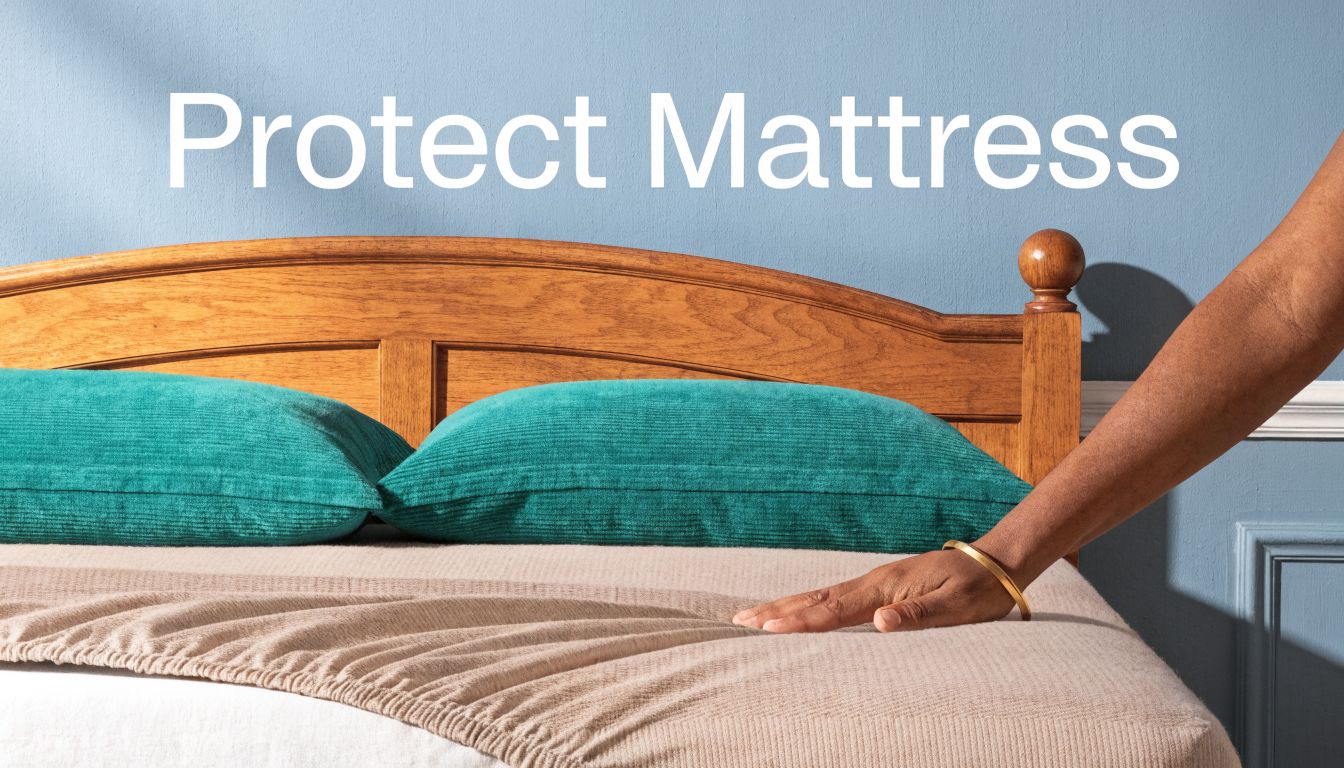
Prevention that actually helps
These habits make a real difference:
- Use a washable protector: Replaceable barriers beat stain removal every time.
- Change bedding regularly: Clean sheets reduce residue build-up from sweat and oils.
- Treat accidents immediately: Delay gives the stain more time to settle in.
- Let the mattress air occasionally: Routine ventilation helps keep smells from lingering.
Signs the job has moved beyond DIY
Some stains are worth trying yourself. Others are better handled with professional equipment from the start.
Call for help when:
| Situation | Why DIY struggles |
|---|---|
| The stain is large | Hard to treat evenly without creating tide marks |
| The stain is old or unknown | You may use the wrong chemistry and set it further |
| There’s a strong odour after cleaning | Surface treatment probably didn’t reach deep enough |
| The mattress feels damp inside | Drying becomes the main risk |
| You’re at end of lease | Patchy results can still be flagged in inspection |
A vacate clean changes the calculation. At that point, it’s not just about making the mattress look better. It’s about reducing the chance of a dispute over cleanliness or damage. If you’re already preparing the rest of the property, it’s worth reading the complete guide to end of lease cleaning in Melbourne so the mattress isn’t treated in isolation from the rest of the inspection checklist.
Bond cleaning is where “good enough at home” and “passes inspection” stop meaning the same thing.
A professional clean is usually the smarter call when the stain affects presentation, hygiene, or confidence before handover. That’s especially true for mattresses with repeated urine contamination, old blood, or marks that have already been treated unsuccessfully once.
If you need a reliable result before inspection day, End Of Lease Cleaning Melbourne can help with detailed, professional cleaning support across Melbourne. For tenants trying to protect their bond, landlords preparing for new occupants, or households needing careful stain treatment, getting experienced help early is often the cheapest mistake to avoid.
